
Home DIY concerns the vast majority of the French, but the market has been shifting for several years towards more modest projects focused on maintenance and repair. At the same time, the fear of making mistakes holds back a significant portion of individuals who hesitate to get started. What criteria can distinguish a well-calibrated DIY project from one doomed to failure, and what recent constraints are changing the way to prepare for home work?
Construction Waste Sorting: The Constraint That DIYers Ignore
Since January 1, 2024, the AGEC law mandates source sorting of construction waste into five categories: mineral fraction, metal, wood, plaster, and others. This requirement applies to all actors, regardless of size. For an individual having their rubble removed by a craftsman or service provider, failure to comply with this sorting can lead to additional costs or refusal of coverage.
Specifically, before starting a DIY project involving demolition, flooring replacement, or carpentry, separate storage areas must be planned. Four distinct bins or bags are often sufficient for an average home project. Anticipating this sorting also conditions the choice of waste removal service, as not all offer the same rates depending on the degree of pre-sorting done by the client.
Several online resources detail these obligations and their implications for renovation or layout projects. On conseils-bricolage.fr, practical sheets cover material management and preparatory steps suitable for individuals.
Low-Risk DIY Projects: Comparison Table by Type of Work
The fear of making mistakes, which affects a majority of occasional DIYers, is concentrated on certain types of work. The table below classifies common home projects according to their technical risk level and need for specialized tools.
| Project Type | Technical Risk | Required Tools | Beginner Friendly |
|---|---|---|---|
| Interior Wall Painting | Low | Roller, tray, masking tape | Yes |
| Installing Wall Shelves | Low to Medium | Drill, level, dowels | Yes |
| Repairing Silicone Joints (Bathroom) | Low | Silicone gun, cutter | Yes |
| Replacing a Faucet | Medium | Adjustable wrench, Teflon, gasket | With Caution |
| Installing Floating Flooring | Medium | Jigsaw, mallet, spacers | With Tutorial |
| Creating a Plasterboard Partition | High | Screwdriver, track, compound, tape | Not Recommended Alone |
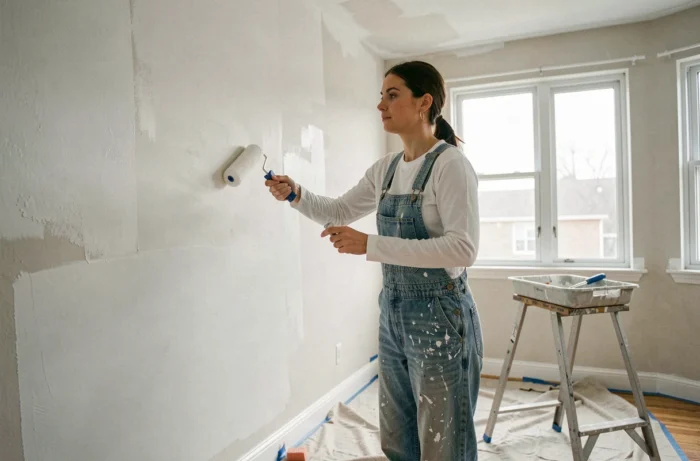
Low-risk projects share one characteristic: they tolerate mistakes without structural consequences. A poorly applied paint can be redone, a failed silicone joint can be removed. In contrast, a poorly installed partition can compromise the plumb of an entire wall.
For a beginner DIYer, the most reliable strategy is to complete several small low-risk projects before moving on to a more ambitious project. Each accomplishment strengthens mastery of basic tools (drill, level, saw) and establishes measurement and preparation reflexes.
Materials and Wood: Selection Errors That Weigh Down a Project
The choice of materials often represents the tipping point between a successful project and a disappointing result. Wood remains the most used material in home DIY, but its properties vary greatly depending on the species and treatment.
A cheap melamine board is suitable for a garage shelf. It will not hold up in a bathroom. MDF swells when exposed to moisture, while marine plywood resists much better. Before purchasing, three parameters must be checked:
- The intended use of the finished piece (dry interior, humid room, covered or exposed exterior)
- The load the material must support, which determines the minimum thickness of the panel or board
- The compatibility with the planned finish (paint, varnish, oil), as some woods poorly reject water-based products
This logic also applies to hardware. Too short screws or dowels unsuitable for the type of wall are the primary cause of falling shelves and pulled fixings. A plasterboard wall requires Molly dowels, a solid brick wall accepts standard dowels, and a hollow block wall needs expansion dowels.
Ten-Year Warranty and Self-Renovation: What Recent Case Law Says
A ruling from the Court of Cassation in March 2024 clarified the regime of the ten-year warranty for self-renovation work. Certain equipment added by the owner themselves (fireplace insert, heat pump) can pose a problem upon resale if a disaster occurs within ten years of installation.
For DIY projects that involve the structure or technical elements (electricity, plumbing, heating), this case law changes the game. An individual installing equipment without a professional takes a measurable legal risk in the event of subsequent damage affecting the solidity of the work or rendering it unfit for its intended use.
Before embarking on a renovation affecting the structure or networks, the question to ask is not only technical. It is also patrimonial: could this work pose a problem during a sale or a claim for damages?
Home DIY Budget: Choosing Between Buying and Renting Tools
Tools represent a spending item that many DIYers underestimate at the start. A drill, jigsaw, and sander make up the basic trio for the majority of renovation and interior layout projects.
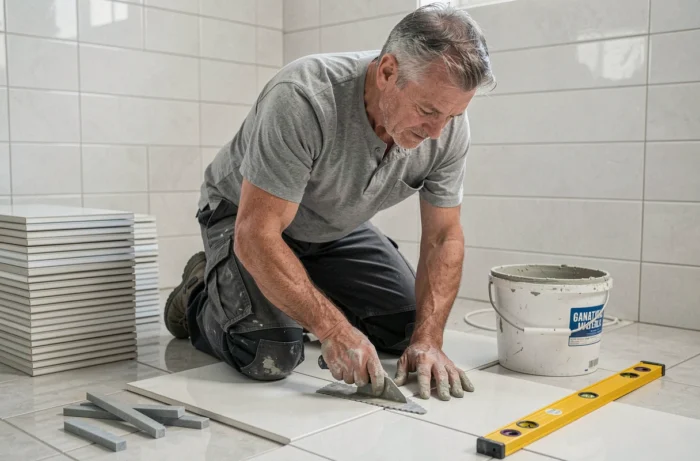
For a one-time project (flooring installation, building a wooden piece of furniture), renting specialized tools is often more rational than buying. Large DIY stores and some platforms offer daily rentals. However, tools that are used frequently (drill, screwdriver, level) deserve a lasting investment.
- Buy: tools that you will use at least three times a year (drill, tape measure, level, screwdriver set)
- Rent: expensive machines for one-time or rare use (heat gun, groove cutter, SDS drill)
- Borrow: compact finishing tools (paint sprayer, upholstery stapler) from neighbors or peer-to-peer lending networks
A common pitfall is to buy entry-level equipment that breaks at the first intensive use. A good compromise is to go for the mid-range offerings from recognized brands, which provide sufficient durability without the price of professional equipment.
Home DIY requires as much preparation as practice. Recent regulatory constraints on waste sorting and the ten-year warranty are changing the approach to a home project. Calibrating the project to the right level of risk, choosing suitable materials, and deciding between buying and renting tools determine success more than just a simple list of generic tips.